
 833-615-2618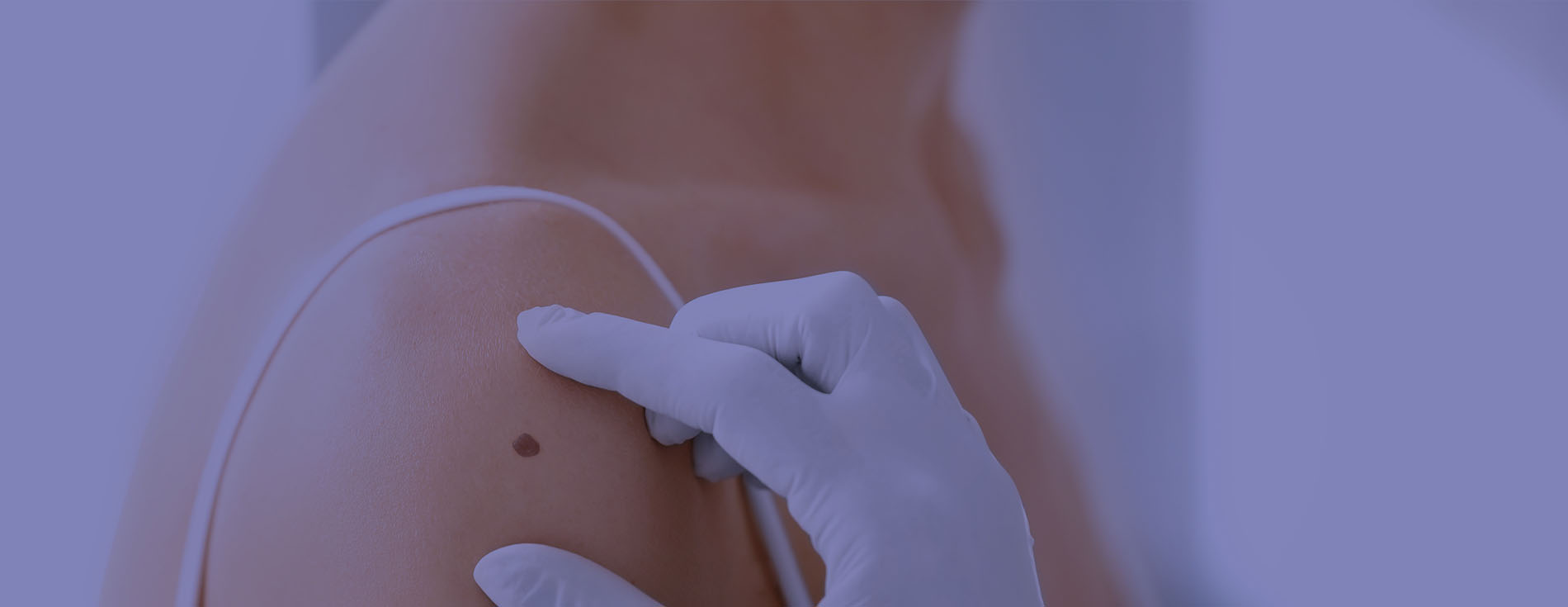
Advanced Reconstruction Options After Melanoma Treatment
Have you undergone melanoma removal surgery and are now dealing with skin irregularities, scars, or areas of concern impacting your confidence or comfort? Whether you're seeking to restore your skin's appearance or alleviate any physical discomfort, our skilled team of surgeons specializes in reconstructive procedures tailored to address these concerns.
Schedule A Melanoma Reconstruction Consultation
Awards, Certificates, & Associations



Overview
Summary


Our
Surgeons
At The Plastic Surgery Center, our team believes that every patient deserves to feel beautiful in their own way. We’re proud to use our extensive experience to perform advanced procedures that enhance confidence, bring out your gorgeous features, and provide results that you love.
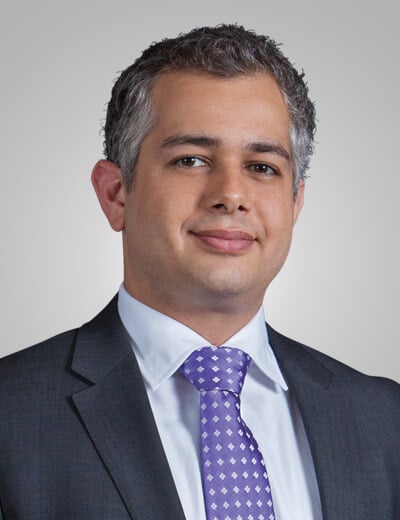
Hamid Abdollahi
MD, FACS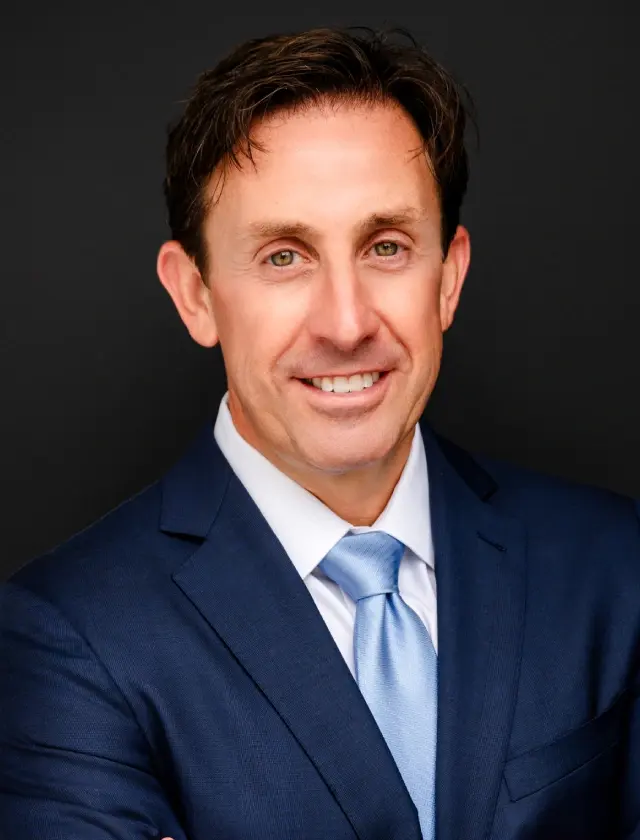
Russell Ashinoff
MD, FACS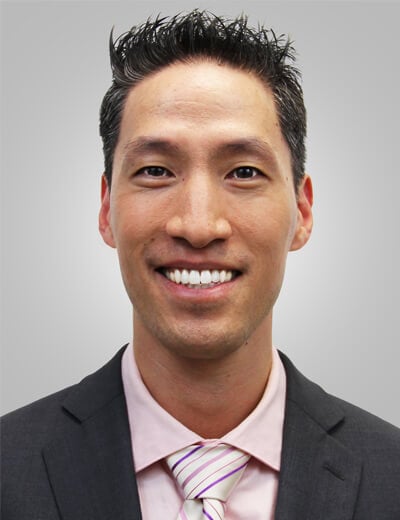
Eric I. Chang
MD, FACS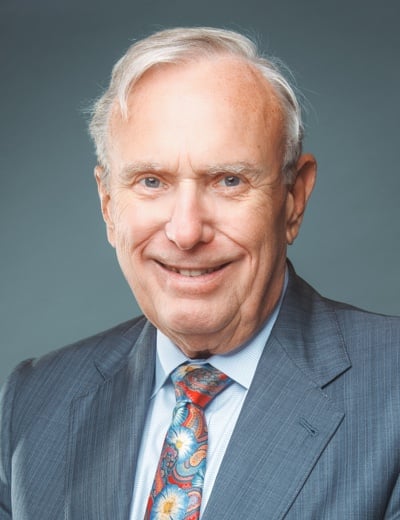
Stephen Dudick
MD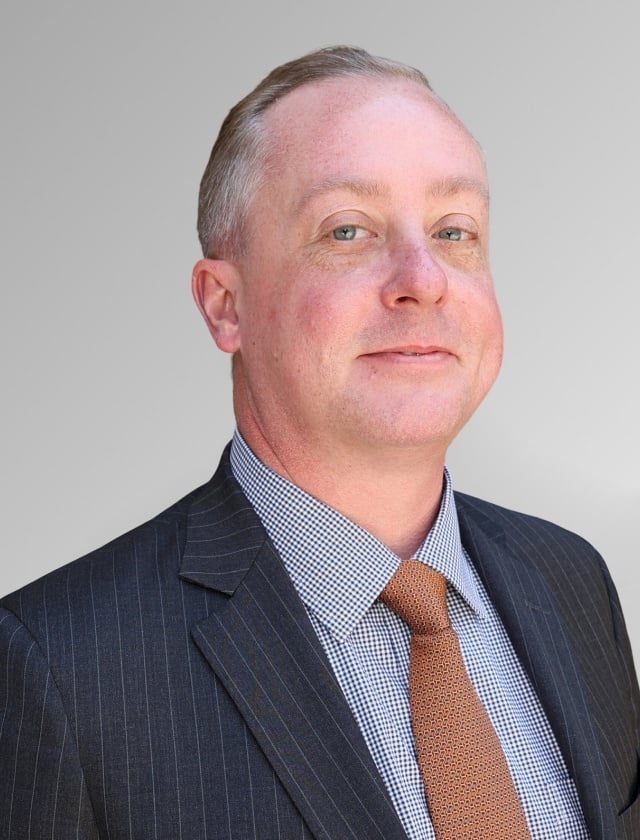
Patrick Greaney
MD, FACS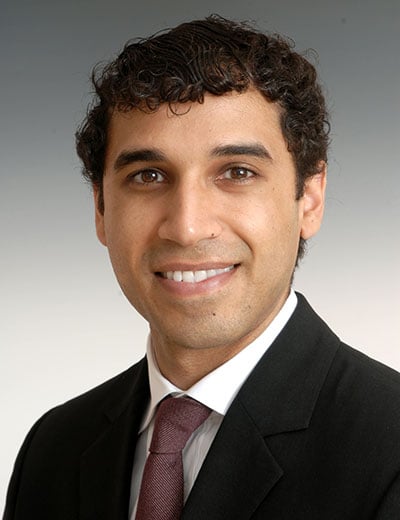
Ritwik Grover
MD, FACS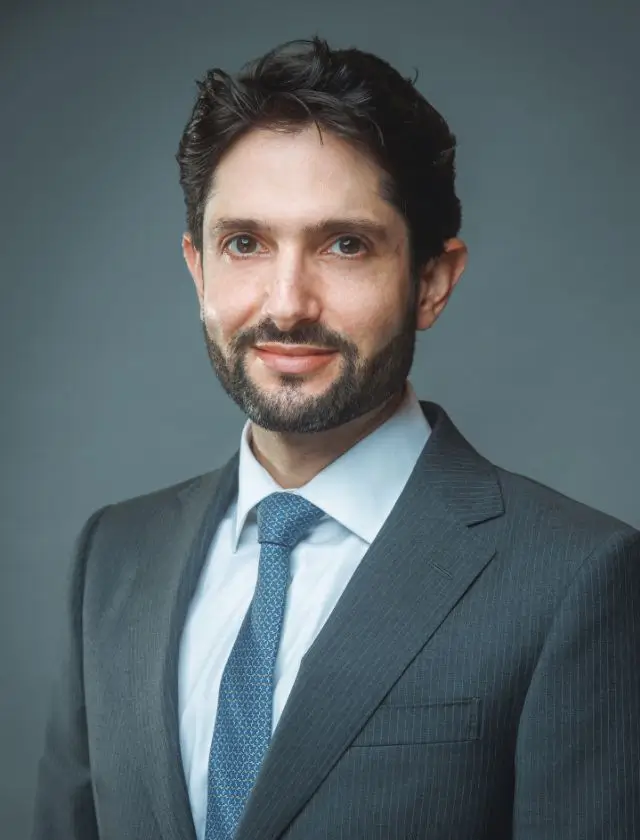
Sean Herman
MD, FACS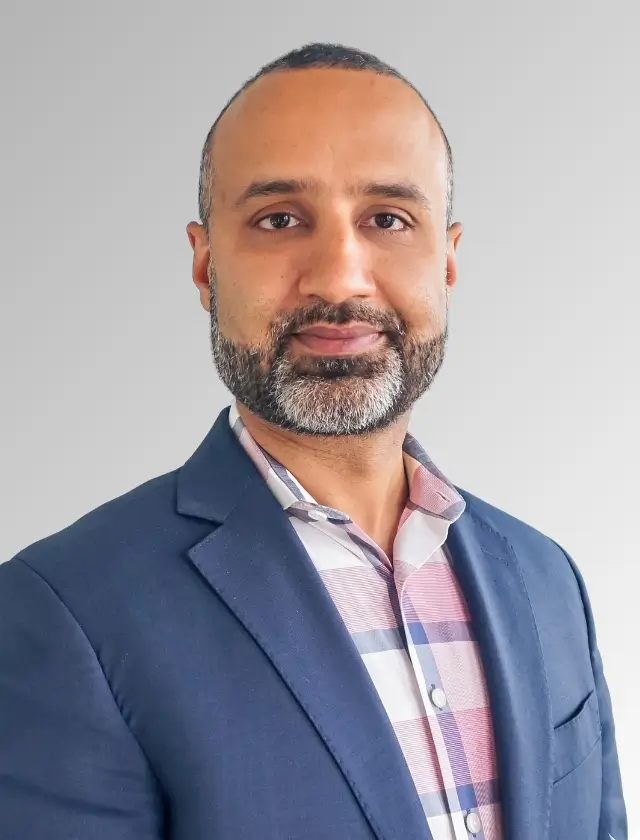
Zuhaib Ibrahim
MD, FACS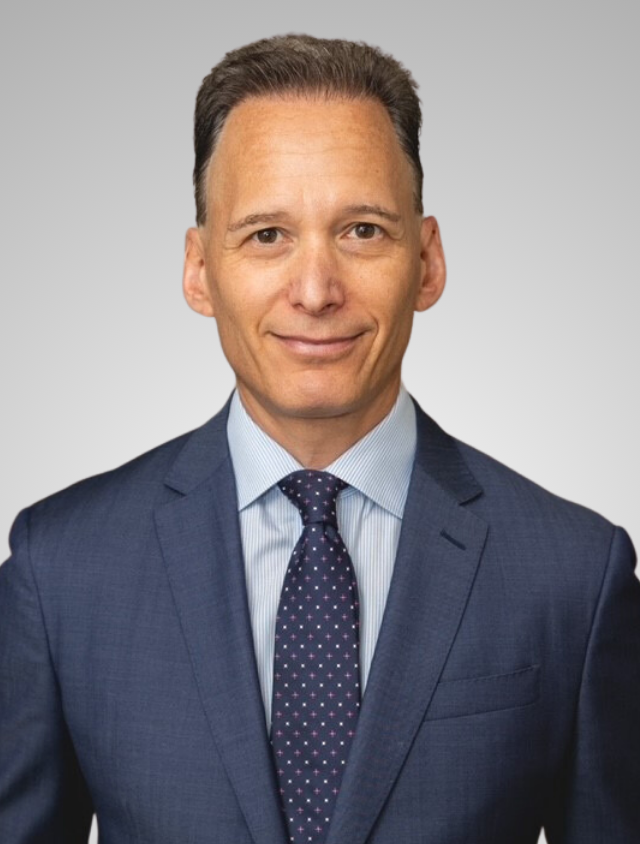
Matthew Kaufman
MD, FACS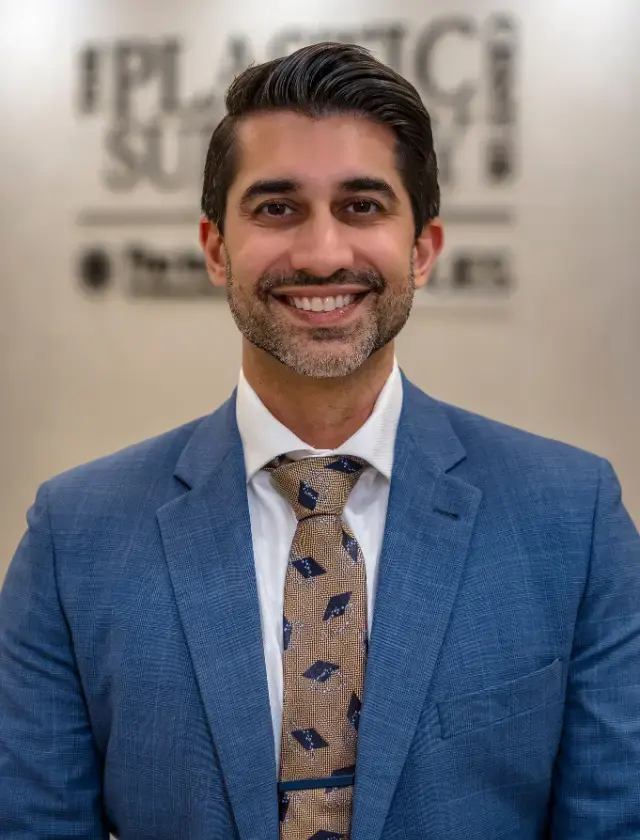
Chris Lakhiani
MD, FACS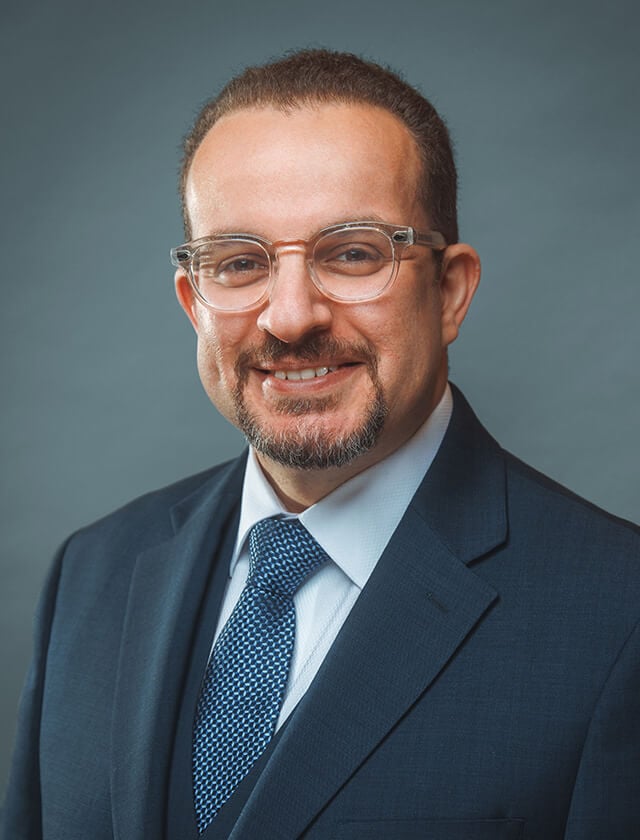
Ahmed Nasser
MD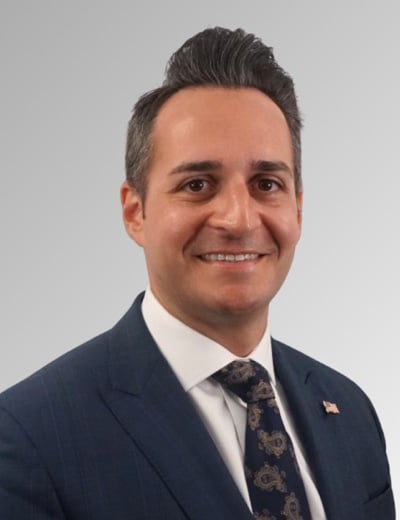
Robert T. Nevitt III
MD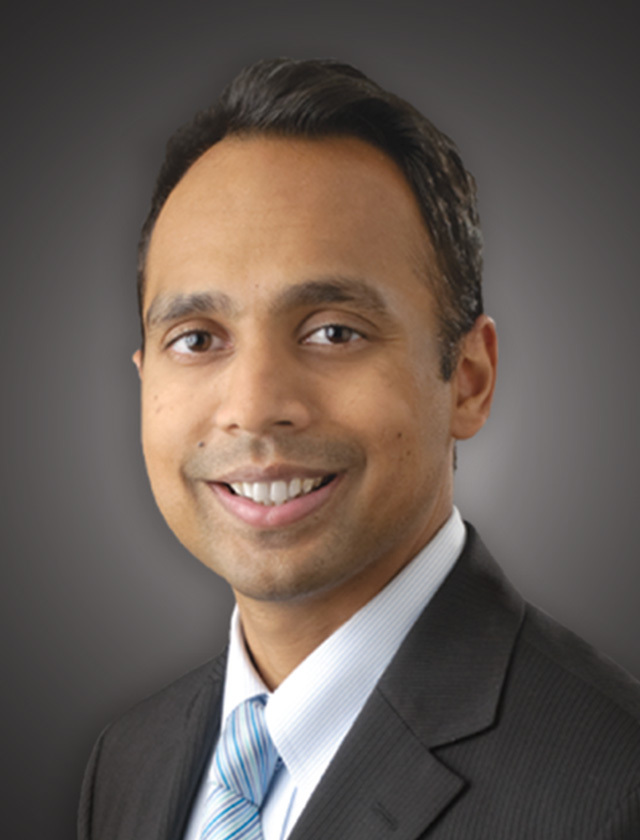
Tushar Patel
MD, FACS
Sidney Rabinowitz
MD, FACS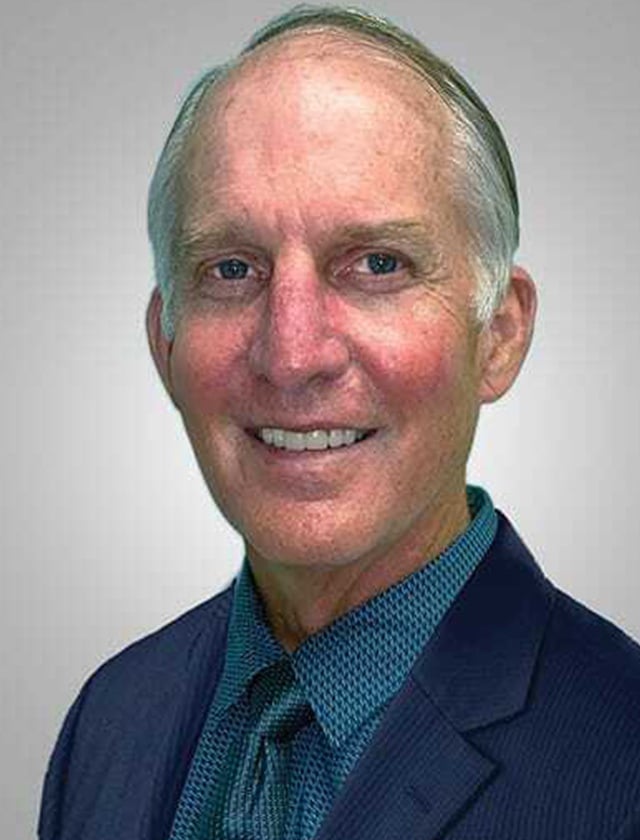
David Rayfield
MD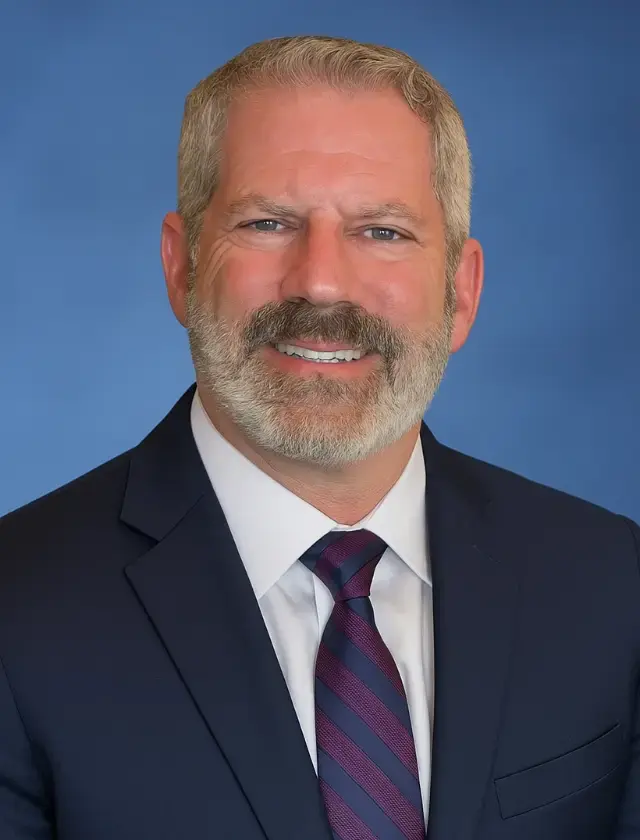
Michael Rose
MD, FACS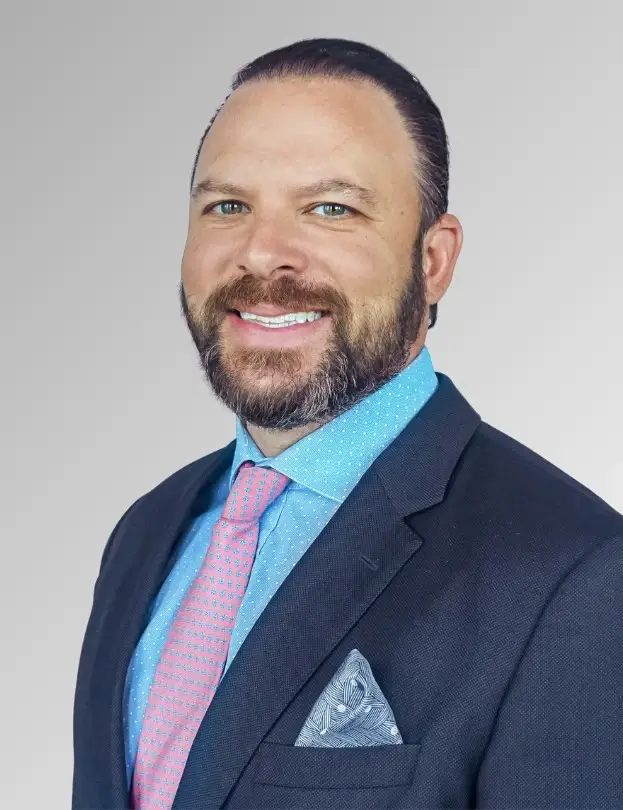
Adam Saad
MD, FACS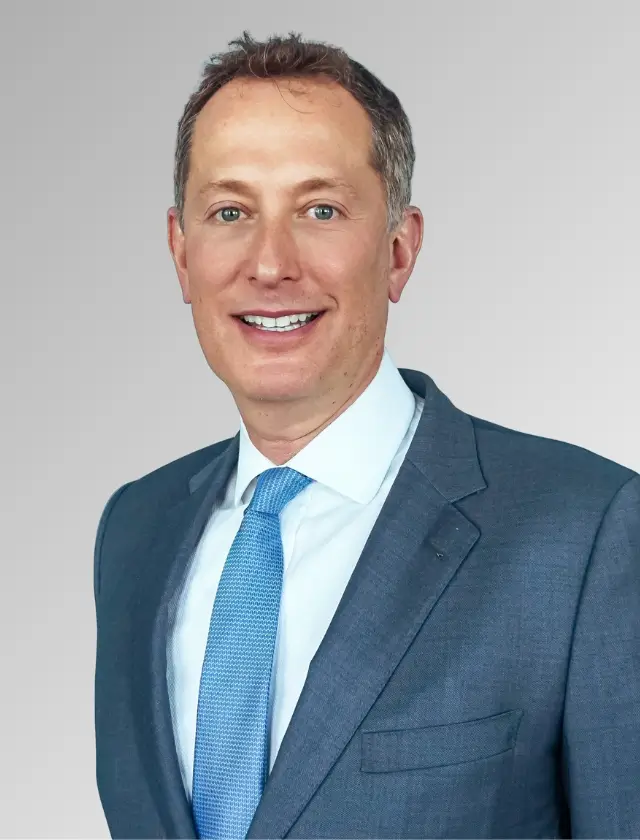
Tzvi Small
MD, FACS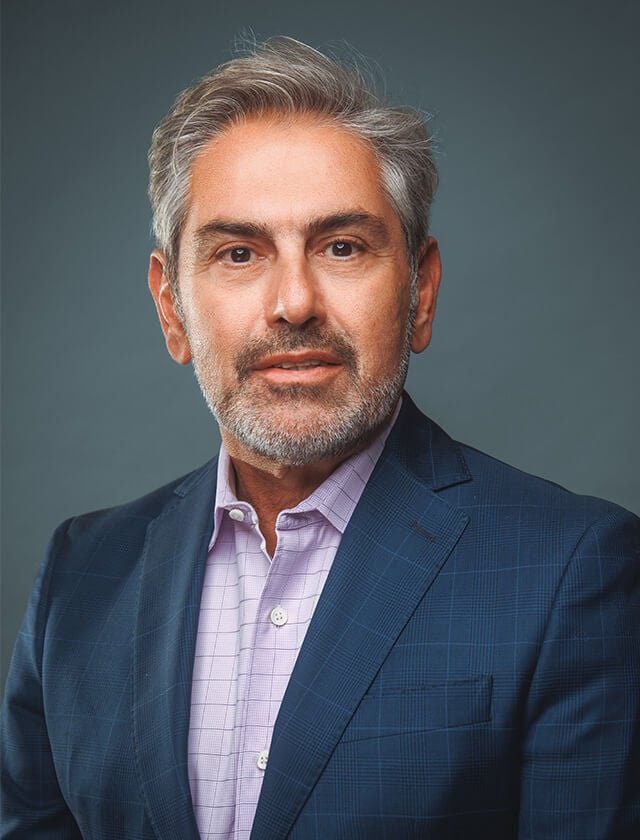
Hakan Usal
MD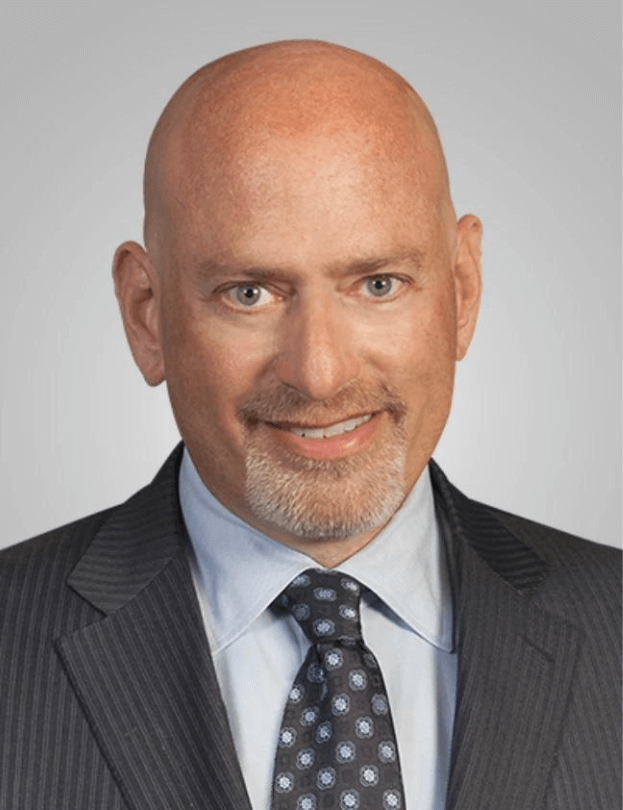
Jonathan Weiswasser
MD, FACS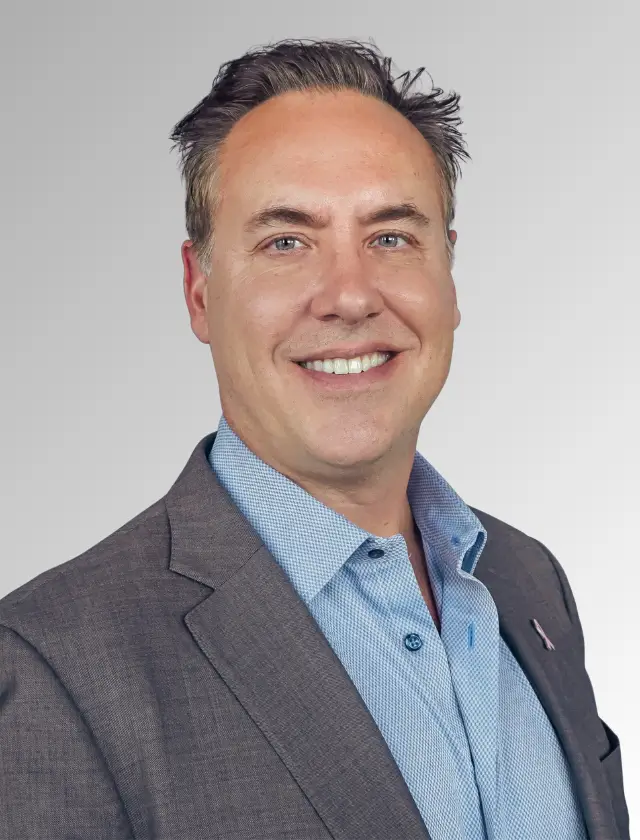
Eric Wimmers
MD, FACS-1.jpg)
Karen Kaplan
MD
Lauren Otaguro
MDFrequently Asked Questions
Reconstruction after melanoma removal refers to the surgical procedures performed to repair and restore the affected area following the removal of melanoma. These procedures aim to improve both the cosmetic appearance and functional outcome of the treated area.
Individuals who have undergone melanoma removal and have resulting defects or deformities that impact their appearance or function may be candidates for reconstruction. The suitability for reconstruction depends on factors such as the size and location of the melanoma, the extent of tissue removal, and the individual's overall health.
Common reconstruction techniques after melanoma removal include skin grafts, local tissue flaps, tissue expansion, and microsurgical techniques such as free flap reconstruction. The specific technique used depends on factors such as the size and location of the defect, the availability of nearby tissue for repair, and the desired cosmetic outcome.
The duration of the reconstruction procedure varies depending on the complexity of the reconstruction and the specific technique used. Simple procedures may take an hour or less, while more complex reconstructions may require several hours in the operating room.
The type of anesthesia used for reconstruction after melanoma removal depends on the specific procedure and the patient's individual needs. Local anesthesia, which numbs only the surgical area, is commonly used for minor procedures. For more extensive reconstructions, general anesthesia may be administered to ensure the patient is asleep and pain-free throughout the surgery.
Recovery after reconstruction following melanoma removal varies depending on the complexity of the procedure and the individual's overall health. Patients can expect some discomfort, swelling, and bruising in the days following surgery. Full recovery may take several weeks to months, during which patients will be advised to follow post-operative care instructions provided by their surgeon.
Scarring is a common outcome of reconstruction after melanoma removal, but the extent of scarring depends on factors such as the surgical technique used, the size and location of the defect, and individual healing characteristics. We will take steps to minimize scarring and may recommend scar management techniques such as massage or silicone gel sheets.
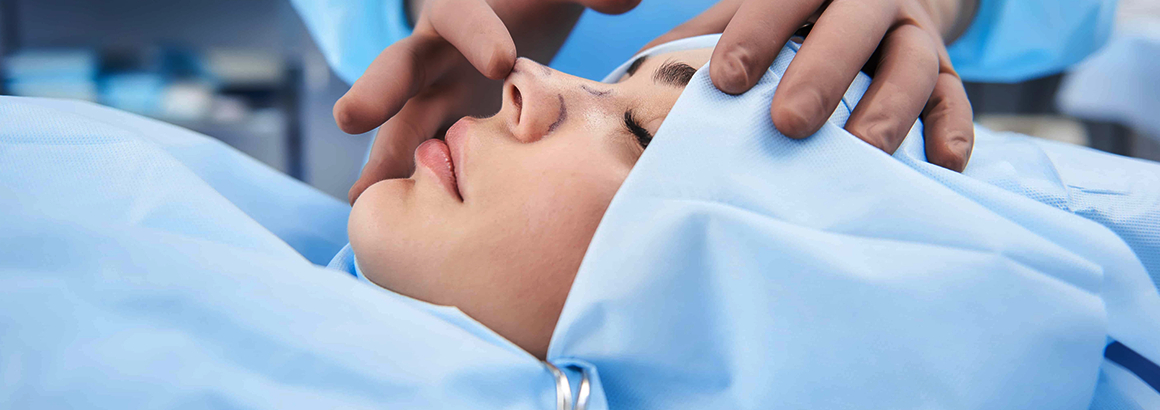
Like any surgical procedure, reconstruction after melanoma removal carries some risks, including infection, bleeding, poor wound healing, and adverse reactions to anesthesia. Our team will discuss these risks with you and take steps to minimize them during the planning and execution of the reconstruction procedure. Regular follow-up appointments will also be scheduled to monitor for any signs of complications.
In some cases, additional procedures or treatments may be recommended after reconstruction following melanoma removal. This could include scar revision surgery, laser therapy, or other cosmetic procedures to further optimize the appearance of the treated area. We will discuss these options with you based on your individual needs and goals.
The longevity of the results of reconstruction after melanoma removal depends on various factors, including the surgical technique used, the individual's healing process, and lifestyle factors. In general, the results of reconstruction are intended to be long-lasting, but natural aging processes, sun exposure, and other factors may affect the appearance of the treated area over time. Regular follow-up appointments with your surgeon will help monitor the results and address any concerns that may arise.